Hi! I'm Weixuan Li

I'm an art historian and digital humanist.
I aspire to fuse humanities research and advanced information technology.

Weixuan Li

I always try to find creative ways to look at early-modern Dutch art through digital lenses

        I am the Mellon Research Fellow at the Rijksmuseum and a lecturer at the University of Amsterdam. My work explores early modern Dutch art, the art market and its global reach using digital methods. I have published on domestic art display, workshop practices, and painting production in the Dutch Republic, and is now examining artistic exchange between the Netherlands and Asia in the Rijksmuseum. 

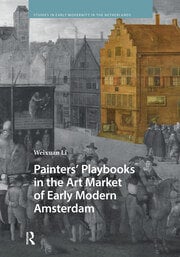
       My first book, Painters’ Playbooks in the Art Market of Early Modern Amsterdam (Amsterdam University Press/Routledge 2025), introduces a socio-spatial approach to studying the art market. Drawing on digital methods, it synthesises diverse historical sources to uncover artists’ collective behaviours – or ‘playbooks’ – reflected in their location choices, social networks, and domestic interiors and shows how these playbooks shaped market structure and influenced artistic innovation in the 17th century.

        In my last life, I graduated from the dual-masters program in Urban Planning and Transportation at the Massachusetts Institute of Technology (MIT) and worked as a senior consultant and transportation economist for the Steer Group in Boston. When not by my desk reading, writing, or coding, I am likely testing my physical limit. I  was a marathons runner in Boston (have done five). After moving to Amsterdam, I picked up kickboxing, boxing and recently cycling.

What I do

My research explores innovative ways to examine, evaluate, and visualize the 17th-century Dutch art,  the art market and their global reach

For instance, my book applies the following three digital approaches:

mapping Historical locations of artists

Geo-translating early modern location descriptions and (deep) mapping painters' workshops

Modeling probate inventories in 3D

Modeling inventories in 3D to understand the domestic space for making and displaying art

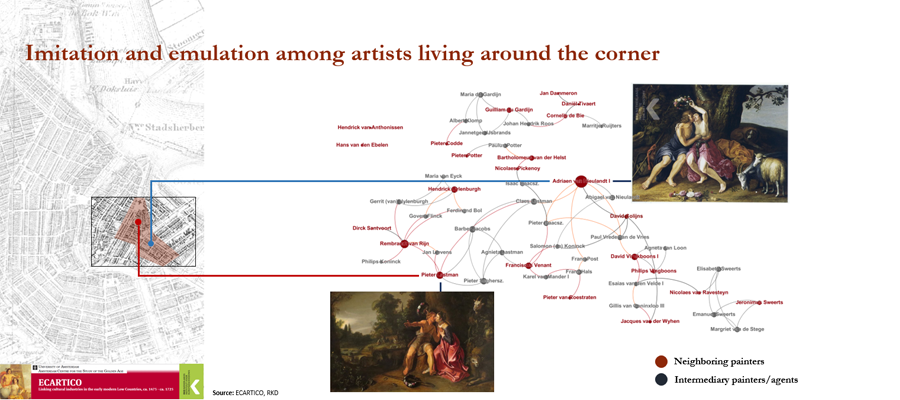
Building Social & subject network

Analyzing networks to understand the transmission of ideas and social standings among artists

On-going research

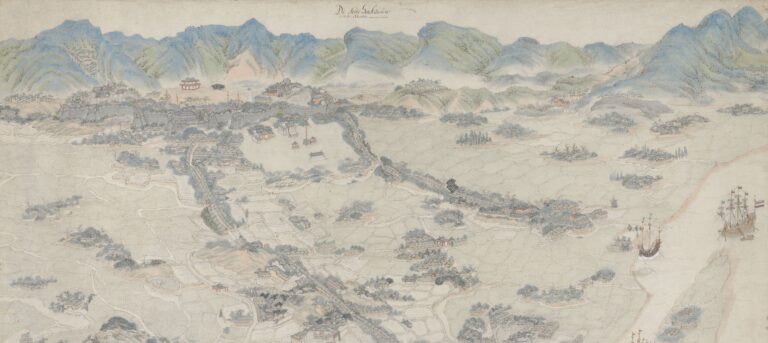
Presence and perceptions of Dutch art in 17th-century Fuzhou
Analyse the placement of objects in paintings with AI

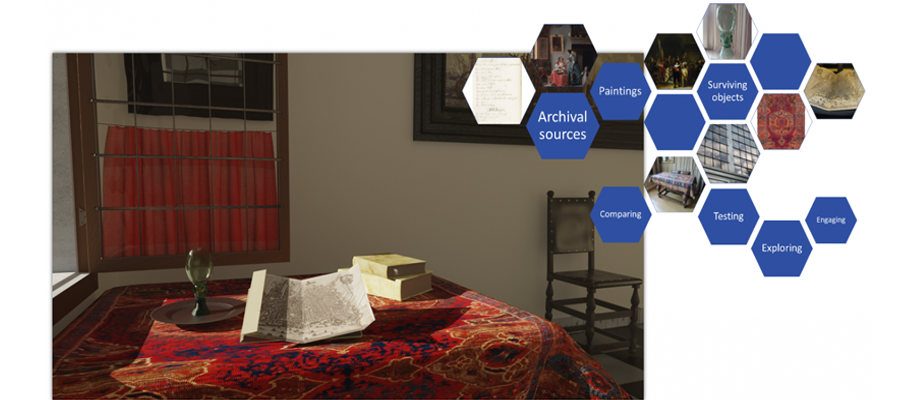
Virtual Interiors project

Virtual Interiors project overview
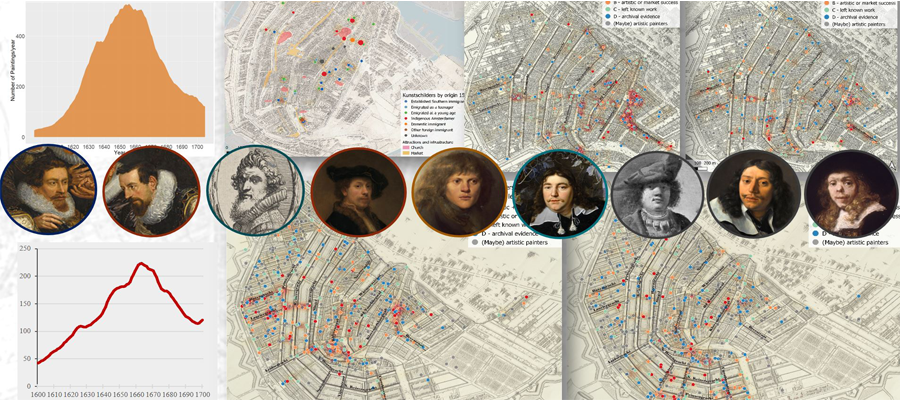
Mapping artists and art dealers in Amsterdam
Deep mapping painters in 17th-century Amsterdam
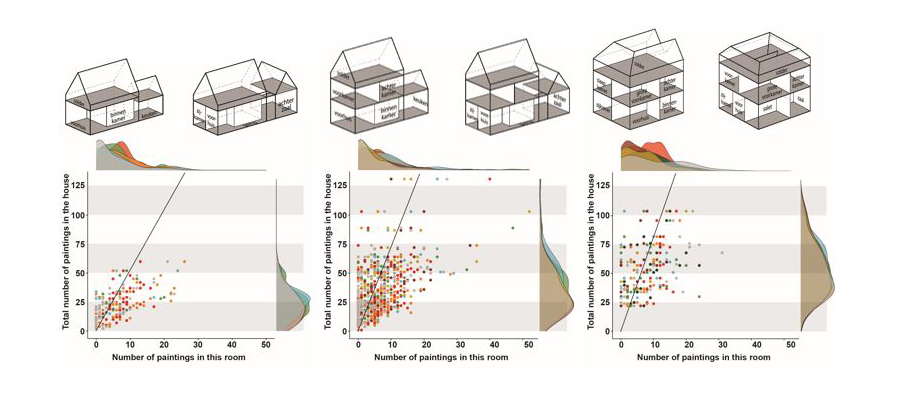
Variance in displaying paintings at home

Other projects

Social bubble hypothesis to explain painting production
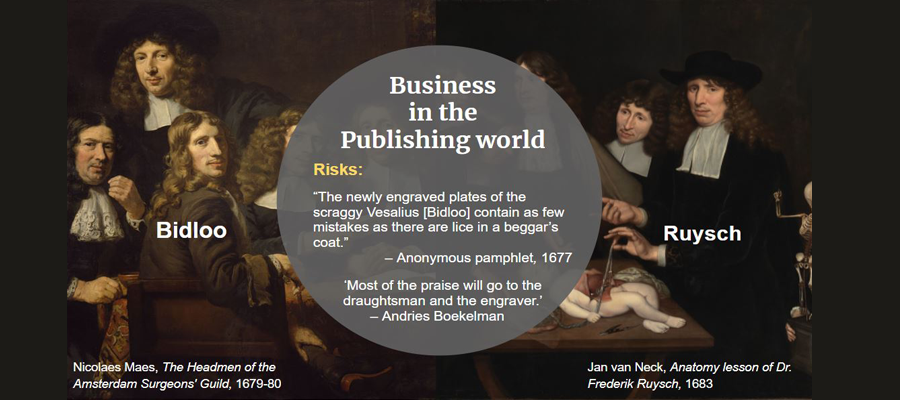
Bidloo and Lairesse - Anatomia and the worlds (w/ L. v.d. Deijl)
Gerard Lairesse's Workshop practice
Textual analysis of vocabularies to describe paintings
Inventory as sources for 3D modeling (with C. Piccoli)
Investigating Rembrandt's neighborhood
Read more