Publications
Click titles or images to the read the article(s) online if available
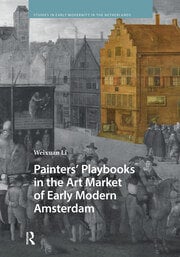
The art market in seventeenth-century Amsterdam emerged as a competitive, multi-layered arena where artists of all kinds vied for a diverse and expanding clientele. How did this complex market function? And how did individual painters navigate this intricate system, making artistic and business decisions that fuelled the remarkable flourishing of Dutch art?
Painters’ Playbooks explores these questions through a novel socio-spatial lens. Drawing on digital methods, it reveals new patterns in artistic practice and market development in early modern Amsterdam. The book synthesises diverse historical sources to uncover artists’ collective behaviours – or ‘playbooks’ – reflected in their location choices, social networks, and domestic interiors. Moving beyond traditional economic and art-historical explanations, it shows how these playbooks shaped market structure and influenced artistic innovation in the seventeenth century.
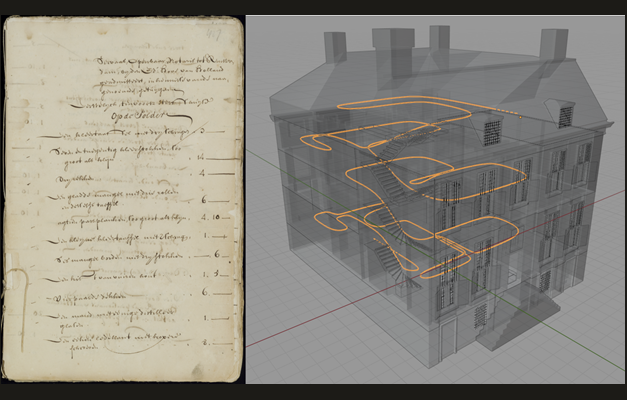
Estate inventories as sources and tools to reconstruct domestic interiors in seventeenth-century Amsterdam.
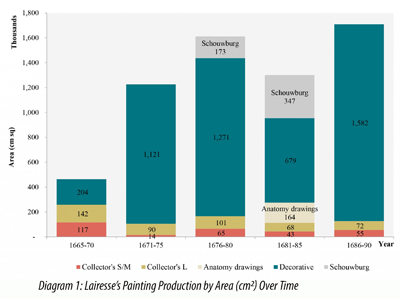
Bidloo’s and Lairesse’s Anatomia Humani Corporis (1685)’
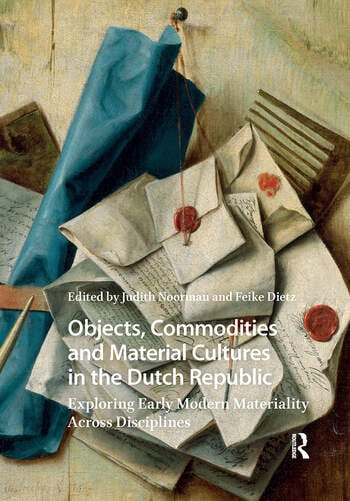
Together with Dr. Lucas van der Deijl, in in Noorman, J., and Dietz, F. (eds.) Moving Objects: Subtitle Exploring the Materiality of the Dutch Republic Across Disciplines. University of Amsterdam Press, 2024: 27-54.
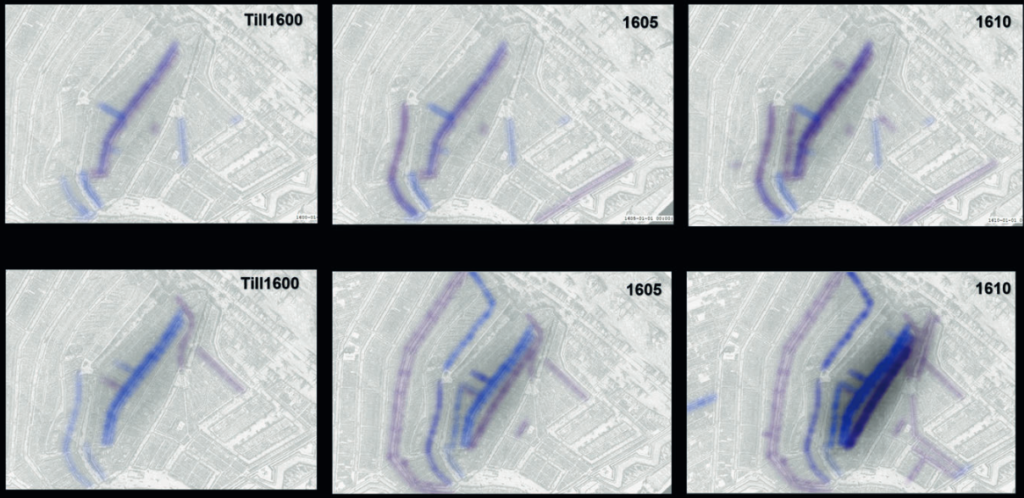
Methodological discussion of using GIS and data visualization for (art) historical research
Paintings for the People: Mass Consumption and Display in Seventeenth-Century Amsterdam
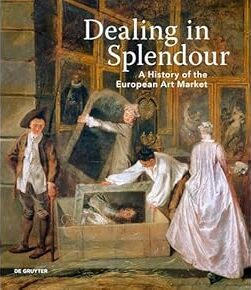
In Dealing in Splendour: A History of the European Art Market, exhib. cat., Liechtenstein Palace, Vienna, 2026: 151-171.
Estate inventories as sources and tools to reconstruct domestic interiors in seventeenth-century Amsterdam (Together with Chiara Piccoli)
Together with Charles van den Heuvel, Gabri van Tussenbroek, Julia Noordegraaf, and Chiara Piccoli.
This article connects artists through the mutual subject matters for the first time and revisits Montias’ product and process innovations.
Computer assisted textual analysis of the vocabularies in contemporary writings and inventories to describe paintings and painters
This essay proposes a new approach to studying workshop practice in the seventeenth century through a combination of quantitative analysis and biographical research.
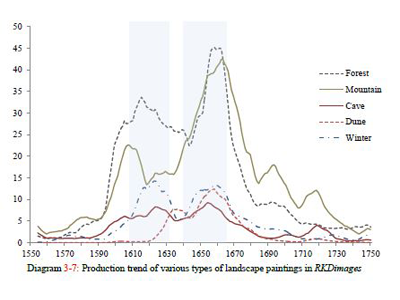
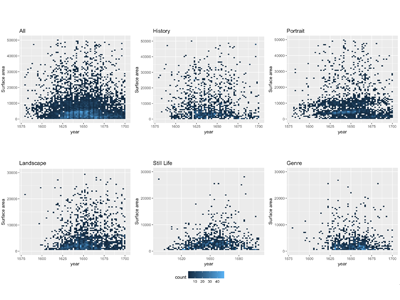
This article visualizes and analyzes the trend of painting production in the Dutch Republic throughout the 17th-century.